In college football, the most shocking player exits are often the least surprising. They just look that way from the outside.
Take Florida State’s Lucas Simmons. His move to the transfer portal was treated like a plot twist. The reality? It was a foregone conclusion written in his lack of playing time. Year three. No starting job. Not even a spot when injuries hit.
This isn’t a solo act. He’s the third offensive lineman from the previous regime to leave. Think of it less as a betrayal and more as a performance review. The review for former coach Alex Atkins reads brutally: zero high school signees developed into starters.
So, what’s the real story here? It’s a simple, cold equation. No development plus no playing time equals a portal entry. It’s not drama. It’s data.
These aren’t whims. They are the logical, almost inevitable, results of a broken system. When the appreciation rate on your talent is zero, you update your resume. You make your exit.
Culture & Playing Time
The transfer portal shows more than just player moves. It reveals coaching problems clearly. When players leave, they’re not just moving homes. They’re speaking out against a system that promised growth but failed to deliver.
Take Florida State’s Alex Atkins era as an example. His time there was like a failed “Apprentice” episode. The task was to improve the offensive line, but he failed miserably. Program insiders say he didn’t turn any high school recruits into starters.
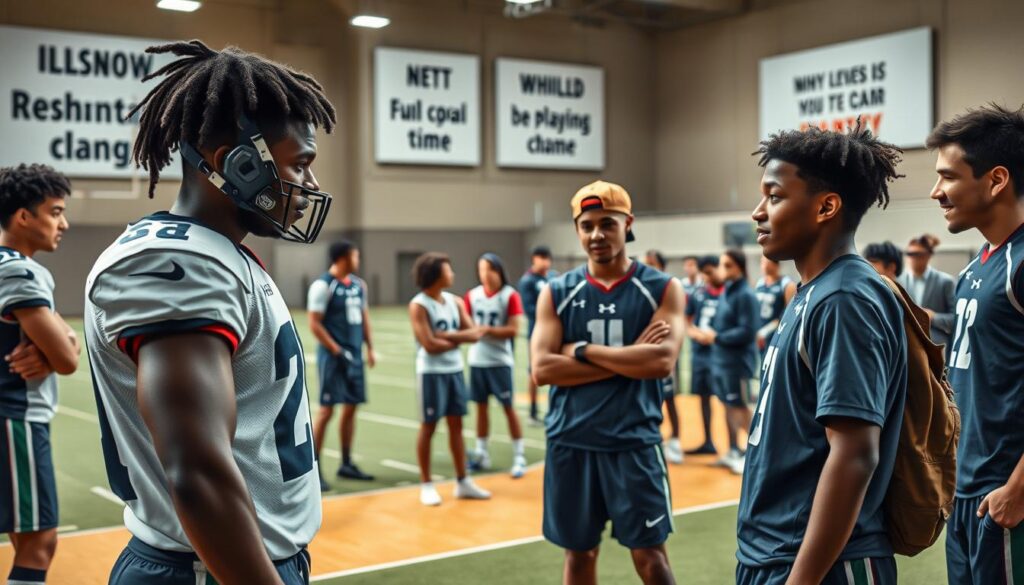
This is shocking. A coach’s main job is to make raw talent shine. But Atkins failed to do this. Only one of his players, Julian Armella, found success elsewhere, at UCLA. Armella’s move is a strong criticism of Atkins’ coaching.
This situation leads to a key reason for transfers: the talent sees no future. Without growth, playing time feels like a lottery. The culture turns into a mystery, making it hard to stay.
Herb Hand’s arrival changes everything. He brings a new approach, unlike Atkins’ empty promises. Hand’s players quickly improve, making playing time a reward for hard work.
The difference is huge. Hand’s method doesn’t create transfer reasons like Atkins did. It’s about teaching, not just talking. Players can tell if a coach knows their stuff.
This situation is similar to other trends. A good team culture lowers transfer rates in college football. Atkins’ failure at FSU is a clear example of what not to do. The loss of three linemen this season shows the market’s correction.
Herb Hand’s arrival is a game-changer. He creates space for players who can actually contribute. The players who left didn’t just open spots. They left behind a bad mindset. Now, the new culture values hard work and skill.
This change is huge. When growth is clear and effort is rewarded, the portal is used for growth, not escape. The transfer reasons disappear. Players are too busy improving to leave.
National Trends
What we’re seeing isn’t just a Seminole crisis. It’s the full chaos of the NCAA portal in college football. This isn’t just about one team’s trouble—it’s about the whole system learning to thrive. The clock starts on January 2nd. Then, for fifteen days, the sport works like a fast-paced Wall Street.
The rules are simple. A window opens, players enter, and coaches rush. The NCAA portal shows no mercy for feelings or tradition. It’s all about market responses to coaching changes and roster needs.
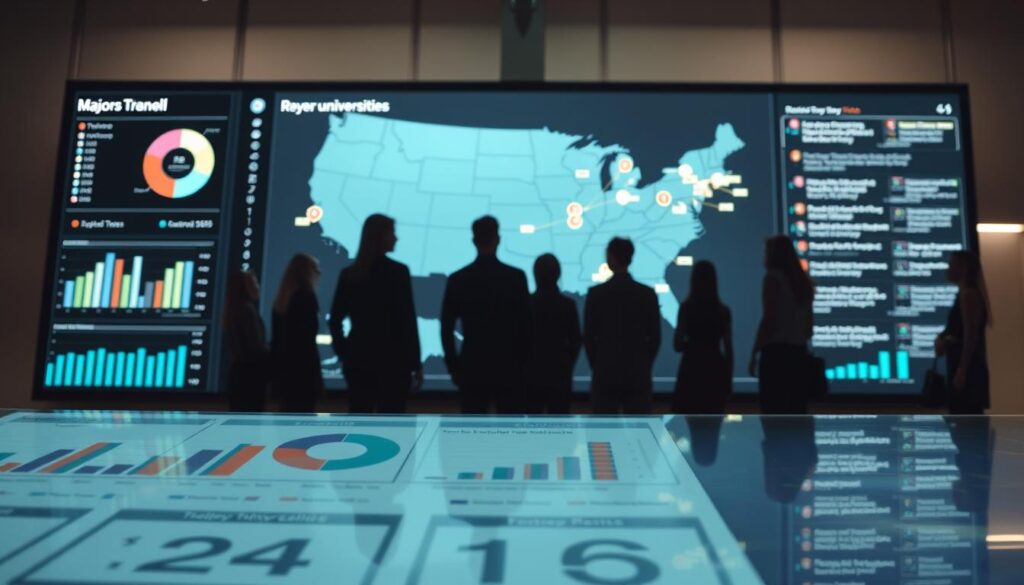
Florida State’s list shows over two dozen players wanting to leave. The reasons are clear: uncertainty, losing seasons, and too many players. It feels like an emergency exit for them.
Then, look at Gainesville, 150 miles south. While Tallahassee loses players, Gainesville gains them. New coach Jon Sumrall is taking over the NCAA portal with a strong strategy.
Sumrall’s early picks are impressive:
- QB Haynes Philo (Georgia Tech): A game-changer
- OL Leyton Shanahan (Louisville): A strong protector
- RB Jordan Pryor (Cincinnati): Fast and powerful
This isn’t rebuilding. It’s a bold move to take over.
The contrast is striking. One Florida team loses players, while the other gains them. Both use the NCAA portal for their needs. It doesn’t care about your school’s colors or songs. It only looks at momentum and opportunity.
This situation reminds us of other industries. Like the annual migration patterns in moving. College football now has its own predictable seasons of talent moving.
This change affects the sport a lot. Rebuilding now happens in weeks, not years. Losing can cost a lot, and a smart coach can change a team’s culture quickly.
The NCAA portal makes every team both hunter and hunted. There are no safe places, and loyalty has an expiration date. For fifteen days in January, every scholarship is up for grabs. Welcome to the new world of college football. It’s tough, exciting, and changing everything.
Fan and Program Response
The first reaction to an Outbound Transfers announcement is raw sports talk. It’s like a betrayal, filled with confusion and a search for someone to blame.
But today’s programs don’t play theater. They focus on the numbers. When a scholarship spot opens, it’s not a loss. It’s an opportunity to use that asset. The response isn’t a sad press release. It’s a quick move to find a new player.
Fans need to change their view. Seeing a player leave is not personal. It’s like reacting to the stock market. Smart fans see these moves as a way to negotiate in public.
Florida State and other teams now manage their rosters like a hedge fund. They make decisions based on data, not feelings. This change is also seen in how they share news. They use official channels to control what fans hear, as explained in analyses of Florida State football press.
The emotional ups and downs are fading. Now, fans focus on the numbers. They ask about the new player’s stats, not why the old one left. This is the new way of thinking.
This new era needs new ways to connect with fans. With so many players leaving, teams must share news quickly and clearly. Some teams are even looking into voice agents to give fans updates 24/7.
The final reaction is not anger or sadness. It’s acceptance. The game has changed, and programs have adapted. Now, fans must see if they can keep up.