Imagine 1958 Florida, where the state legislature forced two universities to play football together. The University of Florida had been avoiding Florida State for years. It was like they didn’t want to be seen together.
The first games were as exciting as watching paint dry. The first six games were all in Gainesville. FSU’s stadium was so small, it looked like a dollhouse compared to Florida’s.
But here’s the twist: Florida’s initial reluctance turned into a deep passion. The 1961 game ended in a 3-3 tie. Florida’s coach, Ray Graves, called it a “death in the family.”
Forced together, the rivalry blossomed into something special. This rivalry history shows that even politics can spark great stories.
Memorable Past Games
If college football rivalries were movies, Florida-Florida State would be the series with the most twists. The games’ results are so wild, even the most creative writers would say no. It’s like the Marvel Cinematic Universe but in football.
The 1994 game, known as “The Choke at Doak,” was a thriller. Florida was up 31-3 in the fourth quarter, making it seem like a sure win. But then, disaster struck for Gator fans.
Danny Kanell led an incredible comeback for the Seminoles. They scored 28 points in just 15 minutes. The game ended in a 31-31 tie, a mix of win and loss that left everyone stunned.
In 1996, we saw a showdown between #1 and #2 teams. Florida State won 24-21, making it a game that decided bragging rights and national titles.
Then came the Sugar Bowl rematch in 1997. Florida crushed FSU 52-20, a win that left a lasting mark on college football history.
The 1966 game was marred by a disputed call. Lane Fenner’s catch was ruled incomplete, sparking decades of debate. It’s a controversy that’s talked about at Florida sports bars to this day.
| Year | Game | Result | Significance |
|---|---|---|---|
| 1994 | Choke at Doak | 31-31 Tie | Largest 4th quarter comeback in series history |
| 1996 | #1 vs #2 Showdown | FSU 24-21 | Decided national championship contender |
| 1997 | Sugar Bowl Rematch | UF 52-20 | National championship revenge game |
| 1966 | Controversial Call Game | UF 22-19 | Most debated officiating decision in rivalry history |
These games are more than just scores. They’re key moments that shape how fans see their teams. They’re the games that make seasons, create legends, and sometimes change coaching careers.
What makes these games unforgettable isn’t just the scores. It’s the emotional rollercoaster – the collapses, the heroics, and the debates that never end. They’re the games that grandparents will argue about when their grandkids are choosing colleges.
The rivalry between Florida and Florida State is more than wins and losses. It’s a cultural icon that shows regional pride and personal identity. And honestly, would we want it any other way?
Statistical Trends
Let’s explore the numbers that highlight this Florida-Florida State rivalry. The data shows a mix of dominance, comeback, and balance. It’s a tale that excites any stats enthusiast.
Florida has the upper hand with a 38-28-2 record, which means they’ve won more often. This is the kind of detail that shows true expertise in rivalry analysis.
The 1973 49-0 shellacking was more than just a game. It was a public embarrassment that’s remembered in Tallahassee. Florida’s nine-game winning streak from 1968-1976 shows their past dominance.
But the rivalry gets really interesting when it became a home-and-home series. The gap narrows to 31-26-1 in Florida’s favor. The home field advantage is clear:
- Florida leads 22-13-1 in Gainesville
- Series tied 14-14-1 in Tallahassee
- Current streak: Florida, 1 game (2024-present)
Statistical trends show a cycle of power. Florida dominated early, then FSU rose under Bowden. Spurrier’s years brought national attention. Now, the rivalry sees ups and downs, keeping fans on edge.
Numbers never lie, but they can sometimes mislead. The data shows who won, but understanding why takes deeper analysis.
Key Rivalry Moments
Every great rivalry history has its key moments. The Florida-FSU saga is like a Shakespearean drama, but with better uniforms.
Bobby Bowden joined FSU in 1976, like the Death Star becoming operational. FSU got a general who could win. Then, Spurrier returned in 1990, like Luke Skywalker challenging the empire.
The 1990s made these games feel like national championship preliminaries. The winner played for the title six times. The stakes were incredibly high.
The real beauty is in the small moments. Like mascot mockery that would make cultural experts faint. Or logo-stomping that led to brawls.
The 2020 COVID interruption ended a 60-year streak. The silence was deafening. Both fan bases are arguing about that imaginary game.
| Era | Florida Moment | FSU Moment | Petty Level |
|---|---|---|---|
| 1970s | Youngblood’s “dance” | Bowden’s arrival | 8/10 |
| 1990s | Spurrier’s return | National title runs | 9/10 |
| 2000s | Coaching changes | Tradition mocking | 10/10 |
| 2020s | COVID interruption | Imaginary arguments | 11/10 |
This rivalry history shows college football’s best moments happen on the field. And sometimes in parking lots after.
Impact on Season Outcome
This rivalry is more than just local pride. It decides who goes to the college football championship. The previous results show it’s about national power, not just regional bragging rights.
From 1990-2001, both teams were always top ten ranked. It was like two boxing champions fighting for the title. The winner played for the national championship six times in twelve years. This shows a pattern of excellence.
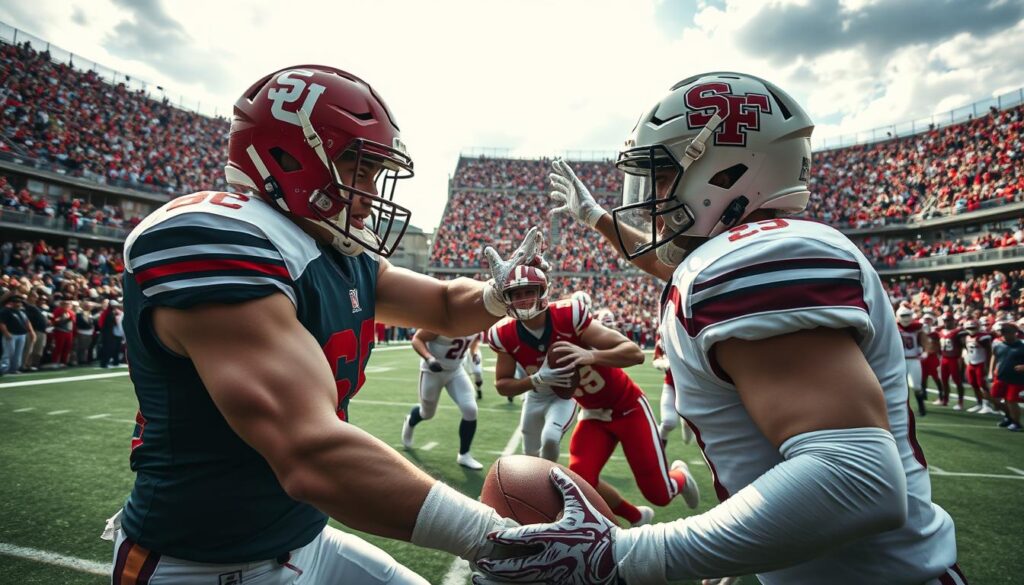
The 1996 season was wild. #1 vs #2 in the regular season, then a Sugar Bowl rematch for the title. It was like the same two teams playing the World Series and Super Bowl back-to-back.
Both teams have won national championships. Florida in 2006 and 2008, Florida State in 2013. The game has decided more than just trophies. It’s influenced Heisman campaigns and coaching careers.
In tough years, the game’s impact is huge. Remember 2017? Both teams were 4-6, like two drunks fighting over a bar stool. The winner got bowl eligibility, the loser had to think about their life choices.
The game’s effects go beyond the field. It affects recruiting, coaching jobs, and who can wear their team gear at work. This is why rivalry week is so important in college football. The stakes are much higher here.
Looking at the previous results, this game is often the real national semifinal. The winner gets a spot in the championship game. It’s not just about bragging rights; it’s about making it to the big game.
This Year’s Version
The 2024 game felt like two old fighters circling each other, unsure why they’re there. Florida won 31-11, showing which team had more pieces in place. It wasn’t a showcase of football greatness but a sign of who was closer to being whole again.
Billy Napier and Mike Norvell are like two substitute teachers trying to keep order. They don’t have the legendary status of their predecessors. Yet, they carry the hopes of their fans, who want to see their team shine again.
The game was more about avoiding mistakes than winning big. Florida was slightly better than Florida State, which is often enough in today’s college football. It’s like saying a team did well by not making too many errors.
Our analysis shows that even when both teams are in a slump, the rivalry remains intense. The game is important because of its history. It’s like a family reunion where everyone remembers their place, even if they’re not doing well.
| Season | Winner | Score | Location | Significance |
|---|---|---|---|---|
| 2024 | Florida | 31-11 | Tallahassee | Rebuilding year statement win |
| 2023 | Florida State | 24-15 | Gainesville | Norvell’s first rivalry win |
| 2022 | Florida State | 45-38 | Tallahassee | Shootout that defined both seasons |
| 2021 | Florida | 24-21 | Gainesville | Napier’s introduction to the rivalry |
Looking to 2025, the question is which team will have made more progress. Fans are hopeful but also ready to start over if things don’t improve. It’s a cycle of hope and frustration that happens often in football.
This rivalry is special because it’s about more than the game. Even when the teams aren’t great, the passion and history of the rivalry shine through. It’s like a dysfunctional family Thanksgiving – you might complain, but you wouldn’t miss it.
Prediction
Trying to predict this rivalry is like guessing Florida’s weather during hurricane season. You can have all the data, but surprises always happen. Florida might win again, but this rivalry loves to defy expectations.
Florida’s recent win gives them an edge, and playing at home is a big plus. Coaching stability and strong recruiting classes are key. These factors often decide the game.
But, the numbers don’t always tell the whole story. This rivalry has its own rules. Remember, Florida had a nine-game streak, then FSU won four straight. And in the 1980s, Florida won six games, followed by FSU’s seven wins in eight.
The real factors that no one can predict are:
- Psychological battles between the teams
- Unexpected injuries at key moments
- The unique chaos that makes this rivalry special
Both teams are rebuilding, leading to close, painful games. Someone will do something crazy, like a weird penalty or a baffling decision. It’s all part of the rivalry’s charm.
I think the TV networks win the most, selling ads during this drama. The game will be close, and the reactions after will be more fun than the game itself.
The rivalry history shows that streaks end, patterns break, and expecting the expected is wrong. This series loves to prove everyone wrong. That’s why we keep watching, year after year.
Fan Atmosphere
The Florida-FSU rivalry turns rational adults into fierce warriors. They use hand gestures and grilled meats. The Gator Chomp versus Tomahawk Chop is more than cheerleading. It’s a battle of arm movements.
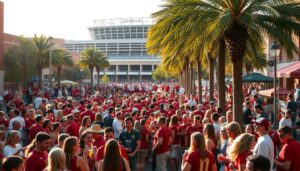
Tailgate scenes look like military camps, but with more barbecue. Creative insult banners show more art than many galleries. The fans’ emotional investment is unmatched, even compared to Wall Street.
Previous results shape the current atmosphere more than weather. The 49-0 Florida win in 1973 fuels Seminole anger. FSU’s 1994 comeback is the Gator fan’s worst nightmare. These moments live on in every tailgate and touchdown.
Wins are celebrated like national holidays. Losses bring mourning, like real bereavements. The joy in others’ misfortune is so strong, it could be bottled and sold.
This isn’t just fandom. It’s 60,000 people feeling sports’ greatest highs and lows. Previous results are today’s emotional weight and tomorrow’s pride.